In the ever-evolving world of medical devices, using a Split Catheter correctly is pretty much key to keeping patients safe and making the whole process run more smoothly. Dr. Emily Johnson, who's well-known in the field of catheter tech at MedTech Innovations, stresses that, "Getting a good handle on how to manage a Split Catheter can really make a difference in patient outcomes." It’s a reminder for all of us healthcare providers to really get comfortable with the ins and outs of splitting catheters, so we can cut down on complications and make sure everything works just right.
The Split Catheter is super useful because it can be tailored to different patient needs, but you’ve gotta have a plan when you’re using it. Basically, following good practices—like knowing how to split it properly—can cut down infection chances and even make patients more comfortable. Of course, these techniques aren’t just straightforward—you need solid training and a good grasp of safety protocols to avoid any mishaps.
As we go over the best ways to split a catheter safely, we’ll cover some must-know tips and tricks that every healthcare provider should keep in mind. With the right knowledge and a bit of practice, we can serve our patients better and stick to the highest standards in medical care.
Understanding Catheter Types and Their Uses
When it comes to catheter types, understanding their specific uses is crucial for healthcare professionals and patients alike. Catheters are classified based on their function, shape, and the materials used in their construction. For instance, intermittent catheters are designed for temporary use, allowing for complete bladder drainage without the risk of infection commonly associated with indwelling catheters. According to the National Institute for Health and Care Excellence (NICE), approximately 12% of patients using long-term catheters are at risk of developing catheter-associated urinary tract infections (CAUTIs), highlighting the importance of selecting the appropriate catheter type for each patient’s needs.
In addition to intermittent and indwelling varieties, specialized catheters such as Foley, suprapubic, and male external catheters serve specific medical purposes. A study published in the Journal of Urology found that suprapubic catheters can reduce the risk of infection compared to traditional urethral catheters in long-term use, making them an ideal choice for patients requiring extended catheterization. Moreover, advancements in catheter technology, including antimicrobial coatings, have been shown to decrease infection rates by up to 70%. Understanding these different catheter types and their intended applications can significantly impact patient outcomes and enhance overall safety in catheterization practices.
Essential Tools for Catheter Splitting
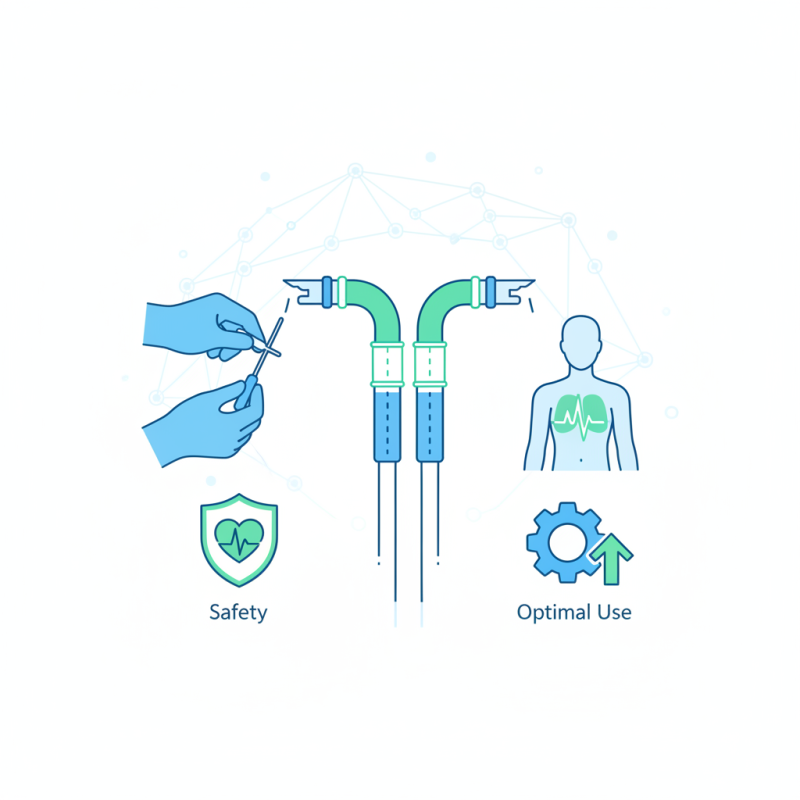
When it comes to properly splitting a catheter, having the right tools is crucial for both optimal use and ensuring safety. Essential tools include a sterile cutting device, such as a specialized catheter cutter or surgical scissors, which provide precision and reduce the risk of damaging the catheter structure. A clean cutting surface, preferably a sterile pad, is also important to minimize contamination during the procedure. Furthermore, gloves should be worn to maintain hygiene and protect against potential exposure.
Tips for splitting a catheter include:
- Ensuring that the catheter is dry and free of any fluid to avoid slippage during cutting.
- Marking the desired splitting point beforehand to prevent any mis-cuts.
- Always checking the integrity of the catheter post-splitting by inspecting it for any irregularities or damage, as even minor flaws can lead to complications in usage.
By following these guidelines and using the right tools, you can ensure a
safe and effective catheter-splitting process.
Step-by-Step Guide to Splitting a Catheter
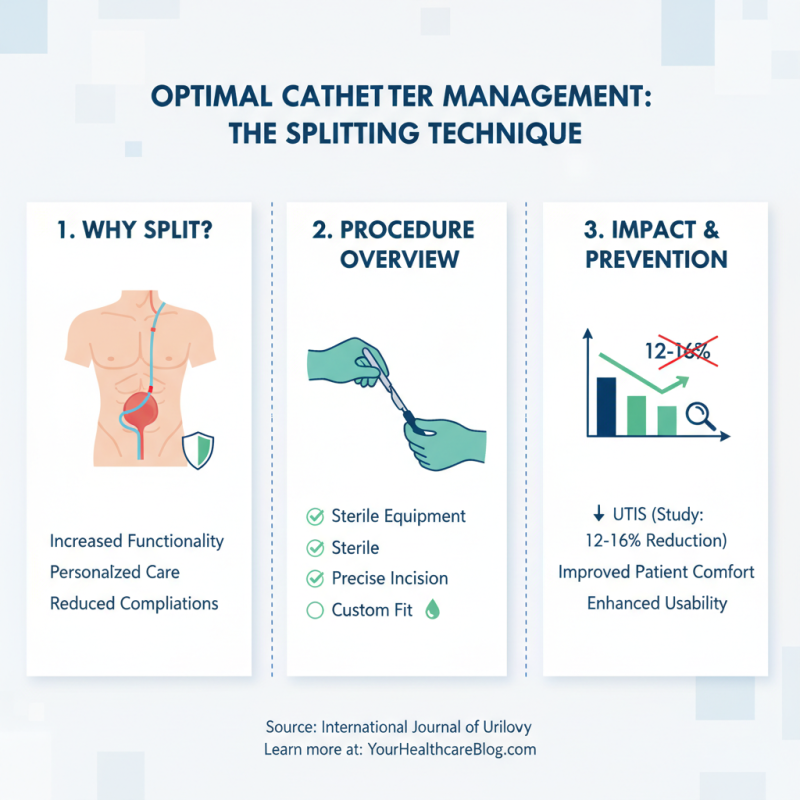
When it comes to proper catheter management, splitting a catheter can be an essential step for improving functionality, especially in cases where a more personalized approach to patient care is necessary. According to a study published in the *International Journal of Urology*, improper catheter handling can lead to complications such as urinary tract infections (UTIs), which affect approximately 12-16% of catheterized patients. Therefore, understanding the correct procedure for splitting a catheter not only enhances usability but also significantly decreases the risk of such adverse outcomes.
Firstly, it is critical to prepare the environment and materials before splitting the catheter. Ensure that all equipment is sterile, and that you have access to the necessary tools. The first step involves measuring the required length of the catheter based on the patient's needs. Using a clean cutting tool, cut the catheter at the predetermined point while making sure to maintain a clean cut—this reduces jagged edges that may cause irritation when inserted. As indicated by the *Journal of Hospital Infection*, proper cutting techniques can lower infection rates by up to 30%, demonstrating the importance of technique in catheter management.
After splitting, it is important to secure the catheter ends to prevent dislodgement or contamination. Utilizing a suitable locking mechanism or cap can help maintain sterility. Regular follow-up and monitoring are advised to evaluate the effectiveness of the split catheter and to ensure there are no complications. Studies show that proper follow-up can improve patient outcomes by as much as 25%, emphasizing the role that careful monitoring plays in successful catheter care.
Safety Precautions During Catheter Splitting
When it comes to catheter splitting, ensuring safety during the procedure is paramount to avoid complications and promote optimal usage. Studies indicate that improper catheter management can lead to infection rates as high as 20% in certain patient populations. As such, maintaining strict hygiene protocols throughout the splitting process is essential. Practitioners must wear sterile gloves and use aseptic techniques to minimize the risk of contamination. Additionally, a clean workspace should be maintained, and any tools used must also be sanitized prior to the procedure.
Moreover, it is advisable to adhere to specific guidelines regarding catheter types and their splitting methods. For instance, certain catheter materials can become compromised if split improperly, potentially leading to material failure during use. According to the Centers for Disease Control and Prevention (CDC), approximately 30,000 catheter-related urinary tract infections occur annually in the U.S., many of which could be prevented through proper catheter handling practices. Likewise, healthcare providers should receive updated training on safe splitting techniques, with emphasis placed on the unique properties of various catheter designs. By prioritizing safety precautions, healthcare institutions can significantly reduce infection risks and enhance patient outcomes.
How to Properly Split a Catheter for Optimal Use and Safety Tips
| Step | Description | Safety Tip |
| 1 | Gather all necessary tools, including sterile scissors and gloves. | Ensure all tools are sterile to prevent infections. |
| 2 | Carefully measure the catheter to determine where to cut. | Double-check measurements; a wrong cut can lead to complications. |
| 3 | Put on sterile gloves before handling the catheter. | Gloves minimize the risk of contamination. |
| 4 | Make a clean cut at the marked spot using sterile scissors. | Avoid jagged cuts to ensure proper fit and function. |
| 5 | Inspect the cut end for any fraying or damage. | Damaged ends can affect performance and safety. |
| 6 | Store the split catheter properly to maintain sterility. | Use sterile bags or containers for storage. |
Common Mistakes to Avoid When Splitting Catheters
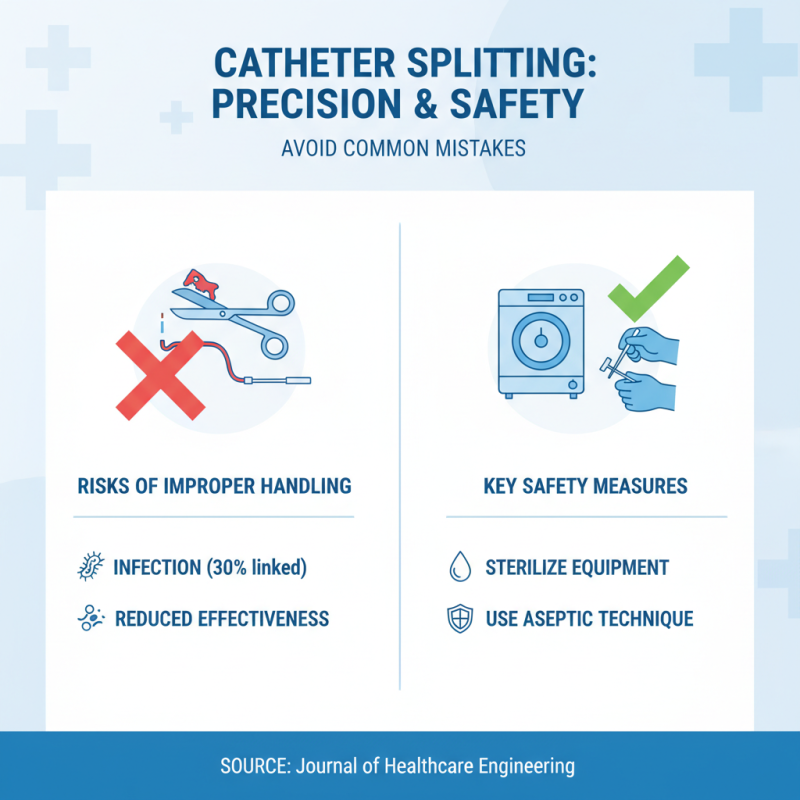
When it comes to splitting catheters for medical procedures, precision and safety are paramount. Common mistakes can undermine the effectiveness of the catheter and pose risks to patient safety. One prevalent error is not properly sterilizing the equipment before making any alterations. According to a study published in the Journal of Healthcare Engineering, nearly 30% of catheter-associated infections are linked to improper handling. Ensuring that all tools are disinfected before use is crucial to minimize contamination.
Another frequent misstep is failing to choose the appropriate splitting technique or tool. Using scissors or blades that are not designed for medical use can lead to jagged edges, which may affect the catheter's functionality. A report by the International Society for Catheter Care indicates that smoother cut ends can significantly reduce friction during insertion, leading to a better overall patient experience.
**Tips:** Always use a sterile cutting tool specifically designed for medical use and inspect your catheters closely before and after making any cuts. Additionally, maintain a clear workspace to avoid cross-contamination. Implementing such safety measures significantly lowers the risk of complications and enhances the effectiveness of the catheter during its intended use.
Post-Splitting Care and Maintenance Tips
Post-splitting care and maintenance are essential for ensuring the longevity and safety of a catheter. Once the catheter is split, it’s important to handle it with care to avoid any possible damage that could lead to complications. Always ensure that the areas surrounding the split are kept clean and dry. Regularly inspect the catheter for any signs of wear or deterioration, as even minor issues can escalate if not addressed.
**Tips:** Always wash your hands before handling the catheter to minimize the risk of infection. Using sterile solutions for cleaning is highly recommended. Additionally, store the catheter in a cool, dry place when not in use to prevent any environmental factors from degrading its material.
Maintaining the correct handling techniques post-splitting is crucial. Always follow the prescribed method for securing the catheter to prevent any unexpected dislodgement. Regular checks should be part of your routine to ensure everything is functioning as it should.
**Tips:** Keep a checklist to track routine maintenance tasks, such as cleaning and inspections. This ensures that nothing is overlooked and maintains the best performance of the catheter over time. Regularly consult healthcare resources or professionals for updates on best practices regarding catheter care.
When to Seek Professional Help with Catheter Usage
When it comes to catheter usage, understanding when to seek professional help is crucial for ensuring the safety and well-being of the patient. If you experience any unusual symptoms such as persistent pain, swelling, or discharge at the insertion site, it’s important to contact a healthcare provider promptly. These symptoms may indicate an infection or other complications that require immediate attention. Additionally, if the catheter becomes blocked or if you find it difficult to drain urine despite following proper techniques, seeking professional help can prevent more serious issues from developing.
Another scenario in which professional guidance is needed includes confusion about care techniques or if you encounter issues during catheter management. If you're unsure about how to properly clean or maintain the catheter, a healthcare professional can provide the necessary education and recommendations to ensure optimal use. Furthermore, if you notice any significant changes in urinary patterns, such as increased frequency or urgency, it’s advisable to consult with your medical team. They can evaluate the situation and make adjustments to your catheter care plan as needed to maintain your health and comfort.
Catheter Usage and Safety Considerations
Enhancing Patient Outcomes: Insights from Recent Data on Long Term Hemodialysis Catheters and Their Impact on Healthcare Efficiency
Long Term Hemodialysis Catheters play a crucial role in enhancing patient outcomes for those with end-stage renal disease (ESRD). Recent data highlights the efficiency of these specialized medical devices in providing reliable Vascular Access for prolonged hemodialysis treatment. According to studies, the use of tunneled long-term catheters can significantly reduce the risk of infection compared to temporary catheters, which is pivotal for patient safety and comfort. The insertion of these flexible tubes into large central veins allows for the effective removal and return of blood during dialysis sessions, ensuring patients receive uninterrupted care over extended periods.
A report from the National Kidney Foundation indicates that the proper management of vascular access is essential for improving dialysis outcomes and overall healthcare efficiency. Long Term Hemodialysis Catheters are specifically designed for extended use and their tunneling under the skin minimizes complications, including devastating infections that can lead to hospital admissions. The enhanced durability and accessibility they provide allow healthcare systems to optimize treatment scheduling, ultimately benefiting both patients and medical facilities. Emphasizing the significance of these catheters not only showcases their value in daily clinical practice but also underscores the broader implications for healthcare costs and resource management in the treatment of ESRD.
FAQS
: Splitting a catheter can enhance its functionality and create a more personalized approach to patient care, while also reducing the risk of complications such as urinary tract infections.
The environment should be sterile, and all necessary tools and equipment should be gathered and prepared to ensure a safe procedure.
The first step is to measure the required length of the catheter based on the patient's needs before making a clean cut at the predetermined point.
A clean cut reduces the formation of jagged edges that may cause irritation upon insertion and can help lower infection rates.
The catheter ends can be secured using a suitable locking mechanism or cap to prevent dislodgement or contamination.
Regular follow-up and monitoring should be conducted to evaluate the effectiveness of the split catheter and to check for any complications.
Professional help should be sought if there are unusual symptoms such as persistent pain, swelling, or discharge at the insertion site, or if the catheter becomes blocked.
If there are uncertainties regarding cleaning or maintaining the catheter, it's advisable to consult a healthcare professional for education and recommendations.
Symptoms such as significant changes in urinary patterns, increased frequency or urgency of urination, should prompt a consultation with a medical team.
Proper follow-up can improve patient outcomes by as much as 25%, highlighting the importance of careful monitoring in successful catheter care.
Conclusion
The article "How to Properly Split a Catheter for Optimal Use and Safety Tips" provides a comprehensive overview of the process involved in splitting a catheter effectively. It begins by discussing various catheter types and their specific applications, ensuring that users understand which catheter is best suited for their needs. Essential tools required for the splitting process are highlighted, along with a step-by-step guide that details how to split a catheter safely and efficiently.
Safety is a critical focus throughout the article, with precautions outlined to prevent injury or contamination. Common mistakes are identified to help users avoid pitfalls during the splitting process. Additionally, the article emphasizes the importance of post-splitting care and maintenance to ensure the catheter remains in optimal condition. Finally, it advises when to seek professional help, ensuring that users can navigate catheter usage with confidence and safety. Overall, understanding how to properly split a catheter is essential for optimal use and maintaining patient safety.